DINA CAPPIELLO Staff writer
State Route 155 — a k a New Karner Road — may not be as aptly named as you might think.
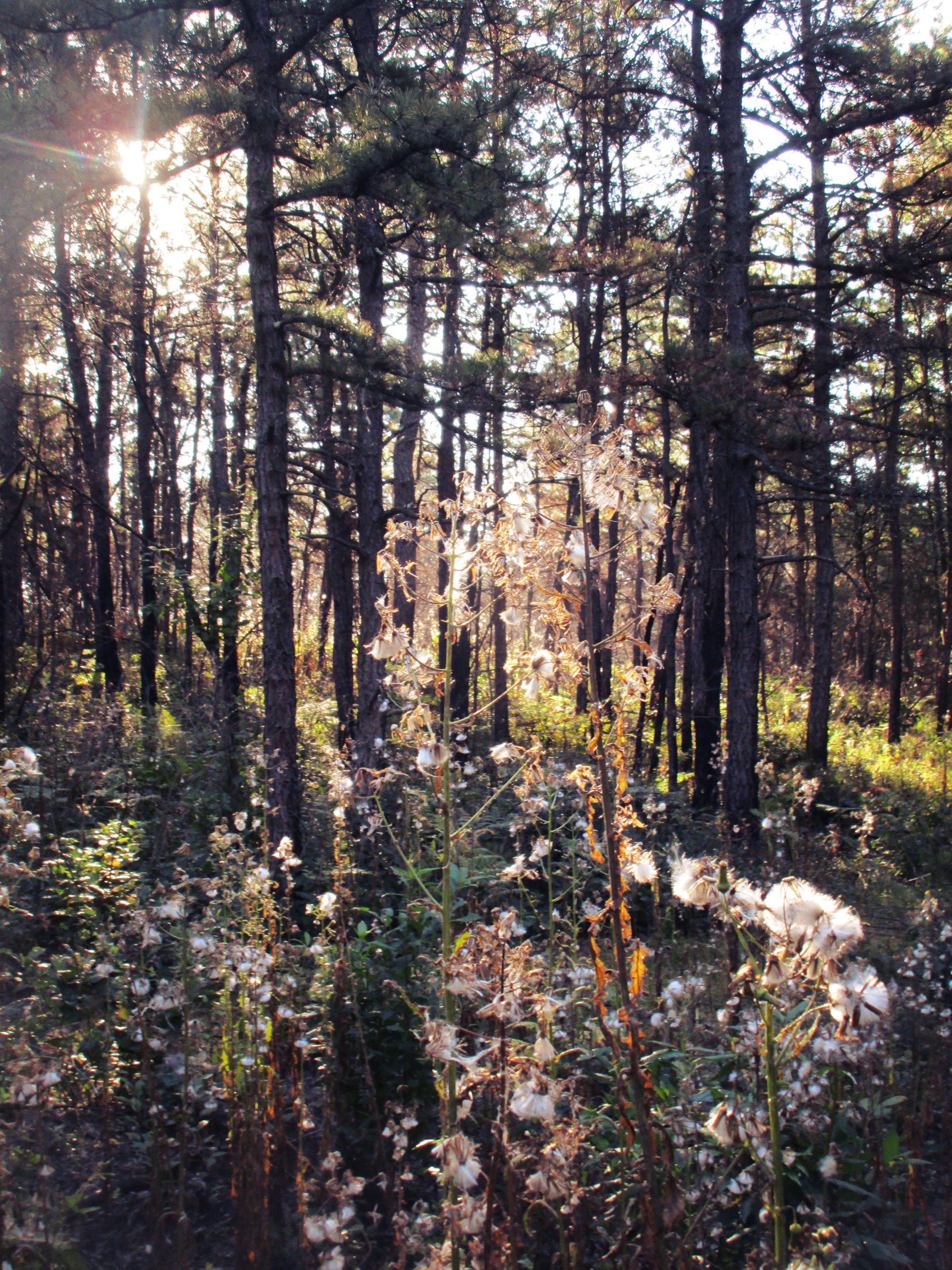
The four-mile-long thoroughfare — which cuts through the heart of the 2,700-plus-acre Pine Bush Preserve — disrupts the movement of Karner blue butterflies crossing the road to mate with others, according to a new study by the Albany Pine Bush Preserve Commission.
Genetic variety is essential to sustain limited populations in fragmented habitats like Pine Bush, where a patchwork quilt of preserved space is interrupted by swaths of development.
Currently, two large populations of Karner blue butterflies live on the west side of Route 155 and three small populations live across the road. On the east side, preserve officials recently planted blue lupine plants — the only food the caterpillars of the Karner blue butterfly will eat. In isolation, some of the populations may not survive.
“If food plants are patchy, the populations are going to be patchy. Having a lot of patches makes gene flow important in between,” said Kathryn Schneider, director of the New York Natural Heritage Program.
Other rare local populations also have been jeopardized by roads. Meadowdale Road in the Black Creek Marsh State Wildlife Area and Route 157 in Thacher State Park have divided wetlands, separating salamanders from the temporary ponds they return to breed in each year. Last year, volunteers and scientists estimated that 10 percent of the salamanders that tried to cross the road ended up being squashed by passing cars.
In the Pine Bush this summer, scientists caught 476 of the butterflies on the west side of Route 155, numbering each half-inch wing with a felt-tip pen. They then spent 30 days, from 8 a.m. to 6:30 p.m., scouring the brush on the other side of the street hoping to recapture the precious creatures. Preliminary results showed that only 10 successfully crossed the road that more than 20,000 vehicles use each day.
“We certainly know some butterflies are getting killed. We don’t know what happened to those that didn’t cross the road,” said preserve ecologist Neil Gifford. “Route 155 is at least a partial barrier to the dispersal of the Karner blue butterfly.” FACTS:POPULAR HABITAT In addition to the Karner blue butterfly, the Pine Bush Preserve is home to 15 other rare insect species, and scientists bumped into three of them (all butterflies) this summer: Frosted elfin: A cousin of the Karner blue, the larvae of this threatened species also feed exclusively on lupine plants. Mottled duskywing skipper: Its caterpillars prefer to eat New Jersey tea above all else, a plant that is threatened by deer browsing. Wild indigo duskywing skipper: This species has not been seen in New York for two decades. Source: Albany Pine Bush Preserve Commission
Copyright 2001, Capital Newspapers Division of The Hearst Corporation, Albany, N.Y. The information you receive online from Times Union is protected by the copyright laws of the United States. The copyright laws prohibit any copying, redistributing, retransmitting, or repurposing of any copyright-protected material.