At the same Town Board meeting where the Board passed a zoning amendment prohibiting commercial soccer fields in residentially zoned areas, the Town Board heard a presentation by its director of parks about the town’s own proposed soccer fields in the Pine Bush. The zoning amendment passed by the Town Board specifically prohibits commercial soccer fields, but allows town facilities in residentially zoned areas.
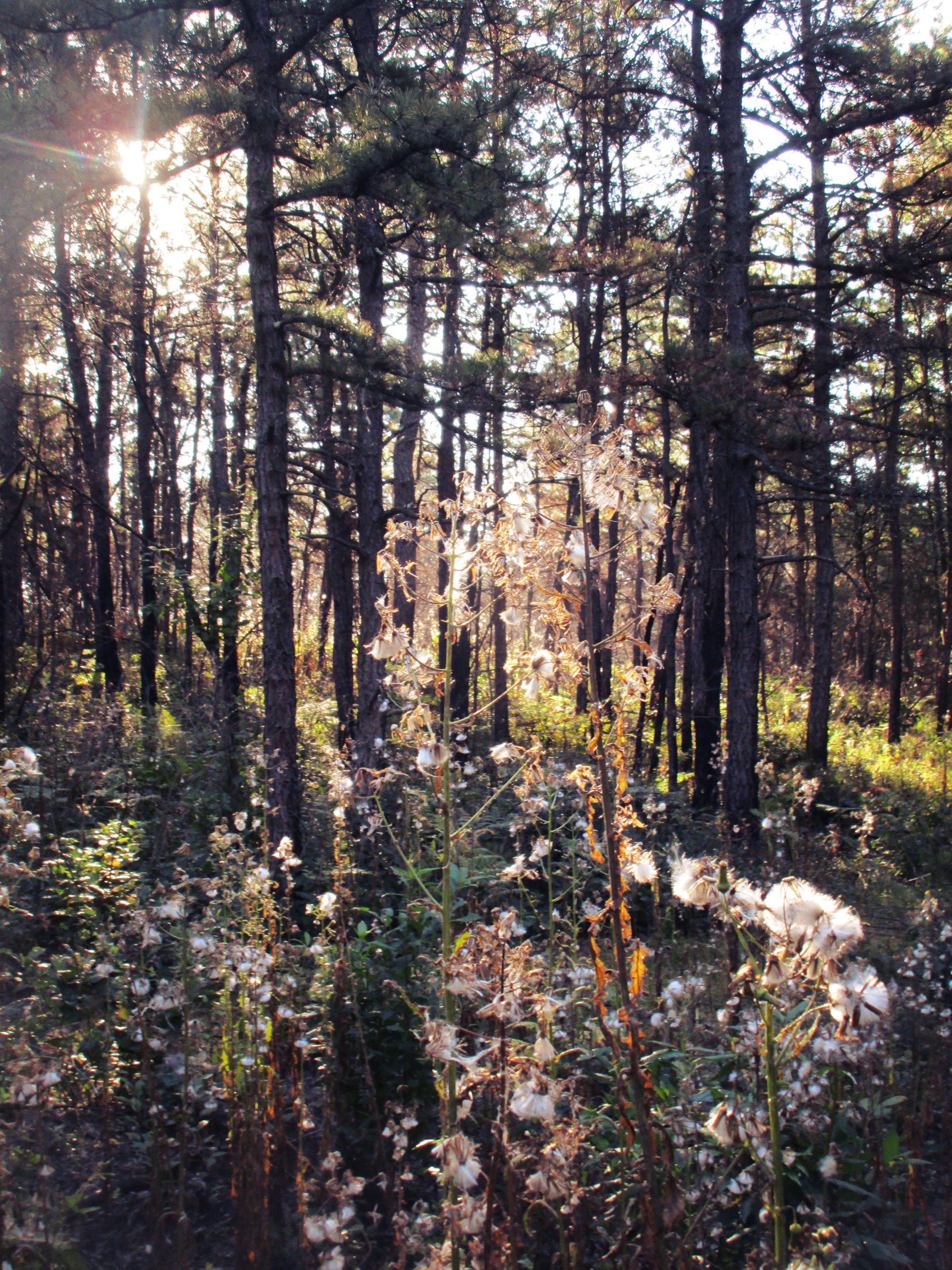
The town proposes to build 10 outdoor soccer fields on the 100-acre site which the town recently purchased. Located in the largest roadless area remaining in Guilderland in the Pine Bush, this site, known as the DeCaprio Farm, should not be developed as soccer fields, but left as Pine Bush.
Three parcels make up the western section of the largest roadless area, the DeCaprio Farm site, the site of the proposed Lone Pine 7 housing development, and the Lupe site (which has no current development proposals). Located south of East Lydius Street and north of Old State Road, this area is approximately 250 acres along the Hungerkill valley and is not bisected by any roads. Roadless areas are very important to the ecosystem. Roads, even relatively unused dirt roads, can prevent plant and animal species from crossing from one side to another, thus limiting the area inhabited by plant and animal species, and limiting the biodiversity.
The Albany Pine Bush Preserve Commission has labeled this area "partial protection," which is supposed to mean that some destruction of the ecosystem is acceptable. The Commission supports partial development of the Lone Pine 7 housing project and DiCaprio Farm, where some of the site would be developed and some dedicated to the Preserve. However, Save the Pine Bush finds this compromise to be unacceptable and would contribute to the fragmentation of the ecosystem; this entire area needs to be protected and added to the Preserve.
The Commission’s "partial protection" designation encourages the fragmentation of the Pine Bush ecosystem. The unprotected Pine Bush is divided into many parcels, owned by different people. Allowing each of these sites to be partly developed and partly protected, creates a patchwork of Pine Bush between acres of asphalt. The ecosystem cannot survive if all of the partial protection areas are partially developed in this patchwork manner.
The section of the DiCaprio Farm the town is proposing to dedicate to the Preserve consists mostly of ravines and land that is inaccessible. This area could not be built on anyway.
In addition to its ecological significance, the DiCaprio Farm is important historically because Native Americans lived on the site from about 500 BC to about 1300 AD. There are isolated archeological artifacts on the site, which are important to preserve. The Pine Bush is significant for is historic aspects, not just because of its ecology. Too often, important historic artifacts have destroyed by development, and the DiCaprio Farm may become another such statistic.
The Town of Guilderland and the Commission have a wonderful opportunity to protect this beautiful area of sand dunes, forests, fields, and steep ravines carved by the Hungerkill and its tributaries. Soccer fields and housing developments can be built anywhere but the Pine Bush is only found here. Save the Pine Bush believes that this area can and should be preserved, especially since the Town of Guilderland already owns the entire DiCaprio Farm. People are very resourceful; Save the Pine Bush is convinced there must be a way to save the rest of this important roadless area.
Printed in the March, April 2001 Newsletter