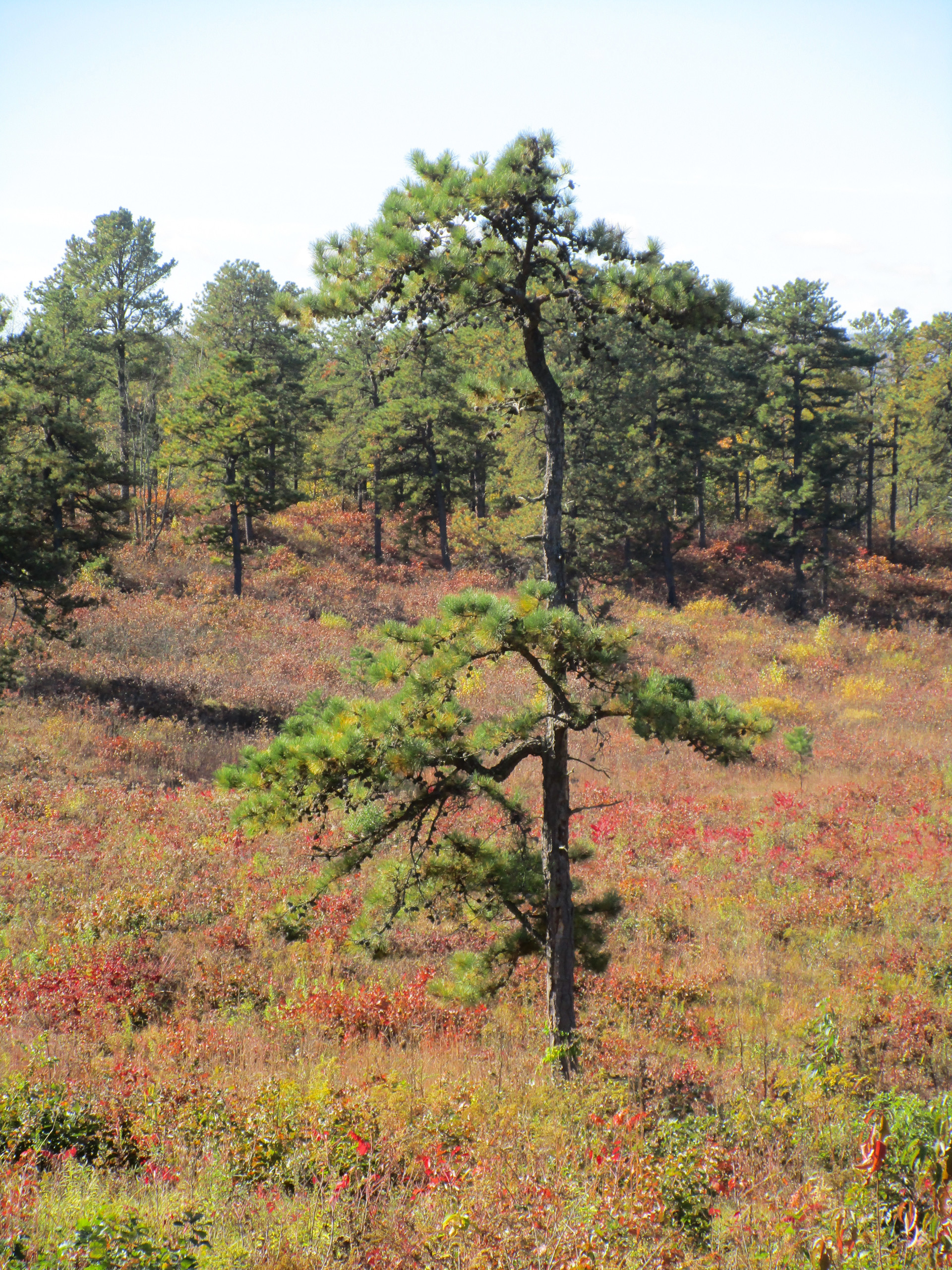
The word that springs to mind for the University at Albany’s greasy plan to level 25 acres of classic pine bush on campus in order to build its own version of suburban sprawl isn’t printable.
So I’ll settle for a distant second choice: pandering.
“We’re told garden apartments are what today’s students want,” said a spokesman for the university. And parking for their cars, too.
A marketing survey says do education this way. Give them what they want or they’ll go to Stony Brook.
Bottom line: bye bye Pine Bush, hello Smithtown. Can I park that car for you, sir?
“Graduate enrollment here is dropping, as it is at all but the top universities and colleges across the country,” says UAlbany associate professor of biology George Robinson, no fan of the hurry-up building plan on acreage he routinely uses as a classroom for his students. The pressure is on to bring in the bodies.
So the word went out from President Karen Hitchcock’s office. If they want garden apartments, build them $50 million worth on the last piece of undisturbed property on the UAlbany campus, a 33-acre parcel along Fuller Road.
If that means casting a massive footprint of concrete and asphalt and smothering the life out of a pine barren community only lightly disturbed since the last ice age, oh well. The price of doing business.
Darned if it doesn’t look like the pander bears will get their way, too. Construction is about to start and the administration hopes that 800 apartment beds are ready for occupancy by fall 2002.
But that doesn’t mean the choice was right, or should be happening without protest, not at a university supposedly embracing high ideals and principles. An institution that preaches sustainability, biodiversity, environmental sensitivity and awareness ought to do much better.
This major adjustment to the university’s face is owed the same level of critical thinking it honors in the class room, and certainly greater imput than its gotten. Faculty, even those with long-standing involvements with ecological issues like Robinson, and distinguished professor Meg Stewart — who also happens to be on the Pine Bush Commission — were excluded from the planning process.
Because of where it is, and because no endangered Karner blue butterflies are within sight, the university can do pretty much what it wants, and has, answering to no one. The University Foundation’s construction fund is involved instead of the state Dormitory Authority which I’m told hurries up the process, and coincidentally lessens outside oversight considerably. As a result, the university serves as its own judge for the required state environmental quality review. That document is a hoot to read. It attests, for example, that “the action will not involve the removal or destruction of large quantities of vegetation or fauna.” That should be quite a trick to accomplish since the property is loaded with 18-inch-in-diameter-and-up red oaks and white pines. Critics like Robinson, and distinguished professor Helmut Hirsch, suggest the university’s sprawl concept should be replaced by a creatively designed minimal impact residential facility that works with the land instead of destroying it. Preferably on the northern half of the acreage only, where parts of a red pine plantation from the 1930s would be no great loss. That would save the largely undisturbed half of the property as a living laboratory. Would it cost more? Probably.
Dr. Hirsch adds that the saddest part of this is “we have an opportunity missed here, to create something new. A place where students could learn to live sustainably, be stewards to something that truly matters. Yes, sad is the word. This is probably the only university in the world with a piece of a pine barren on campus.”
Past tense soon, Dr. Hirsch.
Contact Fred LeBrun at 454-5453.
Printed in the July, 2001 Dinner/Hike Announcement