by Mike Fricano
Handling fire can be dangerous, something the Albany Pine Bush PreserveCommission knows only too well. In April 1999, a controlled burn at the pine barren that straddles Albany, Guilderland and Colonie blazed out of control, scorching 75 acres and shutting down the New York Thruway for several hours because of smoke.
No homes or private property were in jeopardy and the burns have continuedbut officials are careful about when and where. And the conditions this spring haven’t been right. "We did only one spring burn and it was about six acres, much in part due to the conditions that were too dry first and then too wet," said Christopher Hawver, the Commission’s Executive Director.
Officials prefer humidity between 35 percent and 70 percent and ground-level wind speeds between 2 and 10 mph.
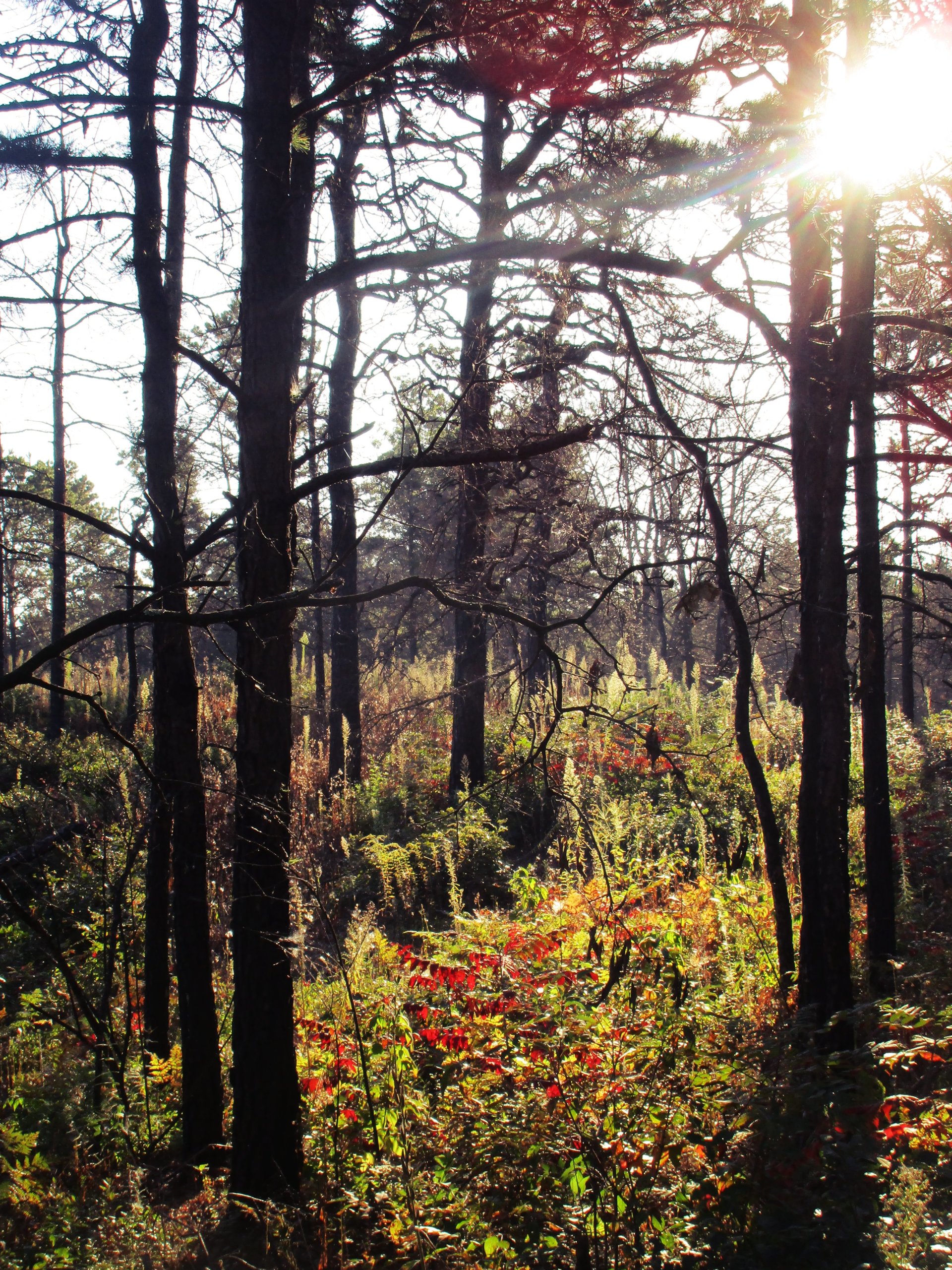
The controlled burns are essential to maintaining the rare inland pine barren,which is home to the endangered Karner Blue butterfly. Over thousands of years, plants in the pine barrens have evolved to depend on fire. Some need heat to crack a hard seed coat. Others depend on fire to eliminate the pine needles from the ground. And animals depend on the native plants, Hawver said.
Each year, the Commission’s goal is to burn 200 acres. But even with spring,summer and fall burning seasons, the Commission has never been able to burn more than about 140 acres, Hawver said. The recent dry winter made burning unsafe in the early spring. Then the steady rains of April and early May made the ground too wet later.
A slight breeze is needed to disperse the smoke because the Preserve is in aheavily built-up area, Hawver said. "The constraints are very significant." The Commission had set aside two weeks each in June, July and October for additional burns.
Save the Pine Bush Editor’s Note: Since the April 1999 fire, the Commissionhas burned only a few acres of Pine Bush, not the 200 acres per year required by scientific estimates to keep the Preserve healthy. Save the Pine Bush demonstrated its concern over the lack of burns by suing the Albany Pine Bush Commission over its burn plan. Though the Judge dismissed the case, it is clear that not enough Pine Bush is being burned for it to survive. Save the Pine Bush will continue to advocate for more burning.
Printed in the August 2002 Newsletter