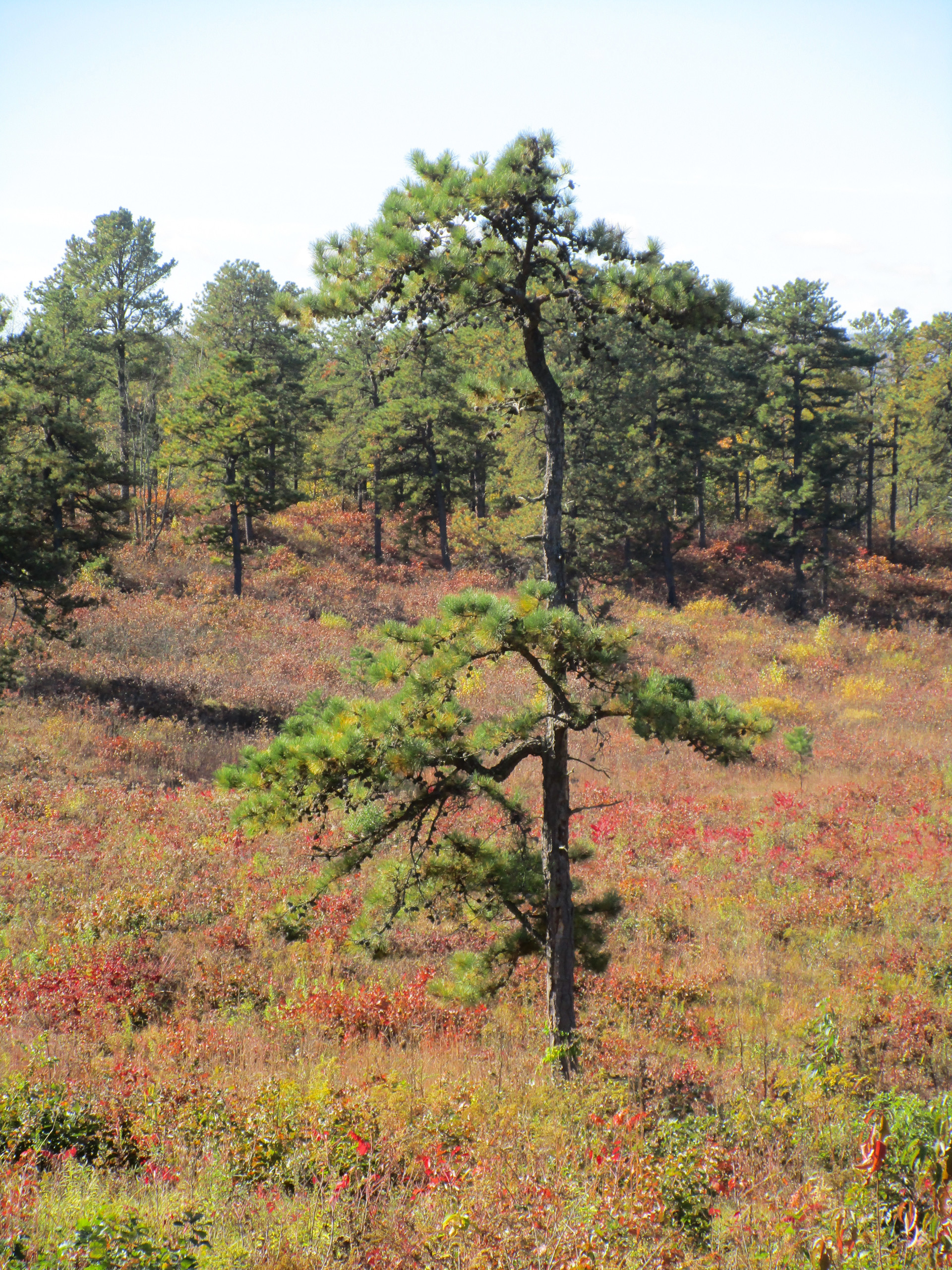
Albany: At the October Save the Pine Bush dinner, Gregory Rosenthal spoke about the Car-Free Lifestyle Guide to the Capital Region.
Last summer, Gregory Rosenthal, author, singer, song-writer and pianist, self-published a book on why we should ride the bus. He began by speaking about his history. He grew up in Niskayuna, is 23 years old and is currently a graduate student at the University at Albany studying public history.
In Niskayuna, everyone drives cars. It is a wealthy, affuent, suburb of Schnectady and is very automobile centered. “You are very far from the main thorough-fares and any bus routes,” observed Mr. Rosenthal. In Niskayuna, when you turn 16, everyone gets their driver’s license, and oftentimes, parents will also buy thier child a car.
When he was 16, he got his licence, drove his father’s mini-van, got into a couple of accidents, and noticed that he could not tell the difference between red and green lights. But, he continued to drive.
Then, Mr. Rosenthal went to college in Los Angeles. For the first time, he rode a train, a bus, and a sub-way. Mr. Rosenthal realized that growing up in Niskayuna, he was “sheltered from mass transit.” He met people on mass transit that he never would have met if he drove a car.
He noted that the highway in Los Angeles, I-5, goes over underprivileged communities and that people are literally driving over the people we really need to see, and people who really need to be seen.
This is what Mr. Rosenthal discovered in California: he belives we can learn a lot about society by riding mass transit. He was sitting with people who are going to their jobs (Mr. Rosenthal, being a college student, was just joy-riding), and there is a great disparity, yet unity, with people on mass transit. There is a whole sociality to it, that Mr. Rosenthal is beginning to understand that is out the purview of people who only ride in cars.
Mr. Rosenthal came back to the Capital District and has ridden just about every CDTA route. He felt that he had so many great stories about riding the bus, and that he had had so much fun, that he had to write a book. The book was quickly written and he found a great group to publish his book in Amherst, Massachuestes, called “Collective Copies”, who work as a team to publish books on the environment.
The book begins with arguments about the two potential differnt kinds of bus riders – the people with a choice and the people without a choice. From his obeservations, he believes that most people who ride the bus do not have a choice. His review of the census data shows that 25% of the households in the City of Albany do not have a choice; they have no access to a car. In all of the cities of the Capital District, there are tens and tens of thousands of people who live their lives without automobiles.
According the Mr. Rosenthal, we learn more about why people don’t have cars when we ride the bus with them. Its the minimum wage. He notes that there is a disporporionate number of people of color on the bus, a disporportionate number of women, and of women with children on the bus. This tells us a lot about the issues in our community. When we just drive our car, we can read statistics about poverty in the Capital District, but we do not see the face of it or the multi-faceted complexity of it as families have to get from home to work to a second job and take their kids to recreate and do all of this in the very limited system, the bus system. And it is very hard. Mr. Rosenthal noted that he was almost late to his speech today because of riding the bus. It is a stuggle, especially if you have a family and a job.
And then, there are people with a choice, like Mr. Rosenthal. But, he has the choice not to drive a car. And the power of that choice is that he can choose to be in solidarity with the people without a choice. Because he can choose to ride the bus, joyfully, compassionately, and in solidarity, he feels empowered because he can see and understand the people without a choice. This is going to alert him to issues in the community and that maybe he can do something to help. Mr. Rosenthal observed that if one is just driving in one’s car, one is perhaps going to live more selfishly. Cars are private vehicles that take one just where one wants to go and no where else. He considers cars to be a segregational force, just like housing can be segregated. Segregation by transportation can be just as incidious.
The problem with segregation is that we do not see what is going on elsewhere so we don’t know we need to act.
Mr. Rosenthal encourages people to ride the bus by dedicating an entire chapter to how to ride the bus. Mr. Rosenthal has a lot of fun riding the bus. But, he notes usually people’s first experience riding the bus is horrible. He includes such things as how to find the right route, how to figure out which bus to take, how to find out about schedules, and how to get support. In another chapter, Mr. Rosenthal describes how to use the bus to visit nature, such as the Pine Bush.
This book is a must-read for people intrested in restoring the cities, poverty, racism, classism, global warming, the environment, and many other issues. The Car-Free Lifestyle Guide to the Capital Region is for sale at Market Block books in Troy, the Book House in Stuyvecent Plaza, and the Open Door bookstore in Schenectady.
Published in the December 06/January 07 Newsletter