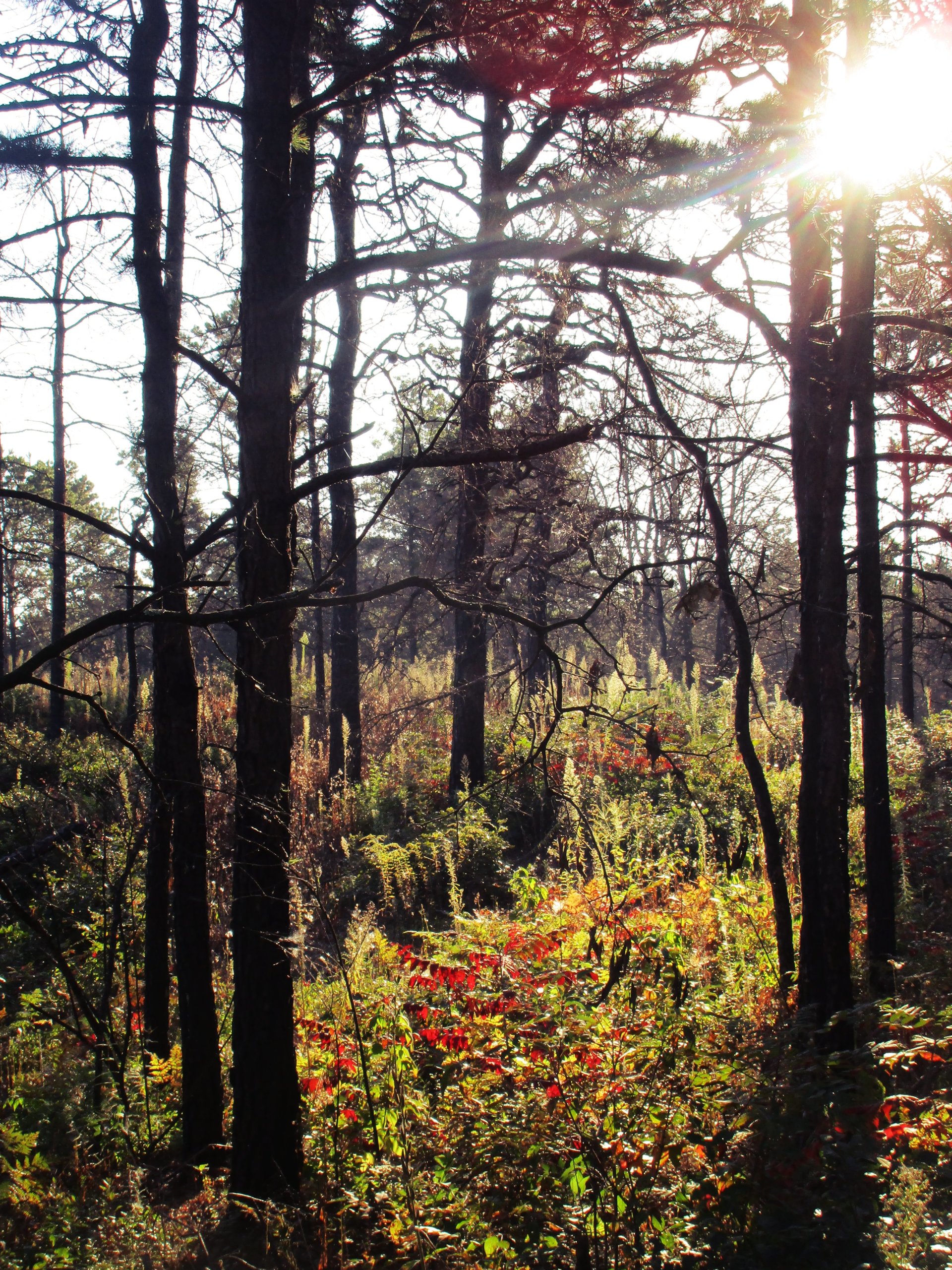
ALBANY — Garbage may keep piling up into the next decade at the Rapp Road landfill in the environmentally sensitive Pine Bush Preserve under an expansion plan by the administration of Mayor Jerry Jennings.
Jennings wants the state Department of Environmental Conservation to approve doubling the remaining life of the massive dump by adding another 20 acres. Five years ago, the city promised the state that land would be given to the Pine Bush Preserve.
Now the city finds itself squeezed as the Rapp Road dump fills while legal challenges delay a proposed new 363-acre dump in Coeymans, where opponents have been fighting the plan for more than a decade. During that time, the city has not filed a state-mandated study on the proposed dump’s potential environmental impact.
“We need time,” said the mayor, who met Thursday with the Times Union’s editorial board. “I can’t count on Coeymans coming through. The prudent thing on this is to go parallel. We will be applying to the state for this.”
Albany makes millions of dollars a year by taking trash from other municipalities. This year, the Rapp Road landfill is expected to generate more than $13.6 million on fees from private haulers and 12 other municipalities. That’s about 10 percent of all city revenue.
On Friday, environmentalists accused the city of acting in bad faith by wanting the dump on land pledged for preservation. That pledge was made when the state approved a 23-acre, $9.5 million dump expansion in February 2000. The city said the expansion was necessary because the landfill was approaching capacity.
To get state permission, the city spent $3.2 million to buy the Fox Run Estates mobile home park, which included the 20-acre park and 40 acres of undeveloped land next to the landfill. As a condition of its state permit, the city promised to immediately transfer the vacant land to the preserve, with the remaining property to follow once the trailer park tenants left.
“This is illegal. The city can’t do it,” said Lynne Jackson, director of Save the Pine Bush. “All 60 acres are to be dedicated to the preserve. The city hasn’t even bothered to dedicate the first 40 acres.”
Chris Hawver, executive director of the Pine Bush Preserve, said he didn’t know why the city hasn’t transferred any land. “I would think that the commission would be concerned with the expansion of the landfill into lands that the commission is counting as protected,” he said.
Jennings is a member of the preserve commission, which currently has about 3,031 acres of Pine Bush in Albany, Colonie and Guilderland. Hawver said the mayor did not inform the commission of the expansion plan, although Hawver said he had heard rumors to that effect.
City General Services Commissioner Bill Bruce said the Rapp Road expansion — which would be the fourth sought by the city — doesn’t mean that the city is “giving up on Coeymans. But there have been complications with the site.”
In June, dump opponents in Coeymans filed a lawsuit contending that the city illegally made about $4.5 million in option payments on the Coeymans land since 2001, when the state Appellate Division upheld a 2000 state Supreme Court ruling that barred the city from buying the property until completion of an environmental impact study.
Bruce said the Rapp Road dump can accept garbage for another five years. The expansion would add another five years’ capacity, he said. Bruce said the city would replace the 20 acres it wants with another 20 acres elsewhere in the Pine Bush.
Opponents of the previous landfill expansion had predicted the city would try to expand into land promised for the preserve.“The city is not pulling a fast one. They are pulling a slow one,” said attorney Lewis Oliver, who represented Save the Pine Bush in 2000 in an unsuccessful bid to the stop the expansion.
In that lawsuit, Oliver wrote, “Given the city’s history of stalling and delay in siting a long-term landfill outside the Pine Bush, and the DEC’s seeming subservience to the city’s commitment to remaining in the Pine Bush as long as possible, the proposal to leave the 20 acres nearest the landfill unprotected appears to be a strategy for the city to acquire a future landfill expansion site.”