by Lynne Jackson
ALBANY, NY: Ward Stone, NYS Wildlife Pathologist, ate lasagna with Save the Pine Bush at the First Presbyterian Church this past March and spoke about changes in the environment over the past few years.
He noted that in the past 30 years, there is some good news. We have shut-down the source of PCBs. We have banned a lot of pesticides such as dialdrin and chlordane. We have recognized the problems of lead, and taken steps to reduce lead.
However, the environment is under a tremendous on-slaught, one that the earth has never seen before.
Going back in time, Ward began by talking about the passenger pigeon. Henry Hudson and the Algonquin ate passenger pigeons for dinner. These pigeons were present in the billions. Ward’s own great-grandmother looked forward each spring to eating them with rhubarb. These birds have been extinct since the early part of the 20th century. As a 6-year old boy, Ward was convinced he could find one, and looked for them in Columbia County.
The now-extinct heath hen once occupied the Pine Bush. Recently, Ward borrowed the State Museum’s stuffed heath hen to photograph. Ward’s son hopes one day to bring back the heath hen using DNA from preserved specimens. The heath hen is a sub-species of the prairie chicken.
We are in another era of major extinctions. Since 1600, the major causes of extinction of species is hunting (23% – though not so much anymore), invasive species introduction (39%), habitat destruction or sprawl (36%) and other (2%).
There has been global temperature change from 1880 to 2000, with drastic changes since the 1970s. We are currently in a time of very rapid change.
Ward commented on the use of Hummers: “We are supposedly a smart people, but I don’t see much evidence”. It is not sound to be using Hummers.
Ward spoke about traffic problems with wildlife and birds. There is a tremendous amount of bird kills from traffic, cell towers and mirrored buildings.
World population is increasing, along with greed. In 1950, there were 2.5 billion people in the world, it is anticipated that by 2050, there will be 9 billion.
Ward said there are not too many cherished things anymore in the suburbs.
The diversity of life is decreasing. For example, polar bears are becoming tremendously endangered due to the melting of the polar ice caps due to global warming. Female polar bears are having one cub not two.
Global warming is causing other problems. Due to the melting of the polar ice caps, the water level is rising. For example, in Japan, gun placements built for use in World War II are now underwater.
AIDS is a zoonolic disease, meaning it originated in animals, and jumped to humans. Originally, AIDS was a disease of monkeys and apes. Through blood, it jumped to people. People hunt wild primates. Now, millions of people, both homosexual and heterosexual, are infected.
There is no reason that more zoonolic diseases will not occur. We have had many so far, including West Nile. Ward helped in identifying West Nile, a disease of Africa, and wrote an article for Science (Ward always wanted to get an article in Science). Other diseases include raccoon rabies, which took 50 years to come to New York. And, of course, there are the ticks. When Ward grew up in Columbia County, there were no ticks. Now, we have ticks and Lyme disease.
“ Crossgates,” Ward says, “is a cathedral of greed.” He forbids his children to go to Crossgates as “it is not a good place for children to spend time.” Pyramid is about to build a maul in the Palisades. NYS sold land for an exit to the maul from the Thruway. Pyramid had a stone hill blown up to make the land flat for the maul.
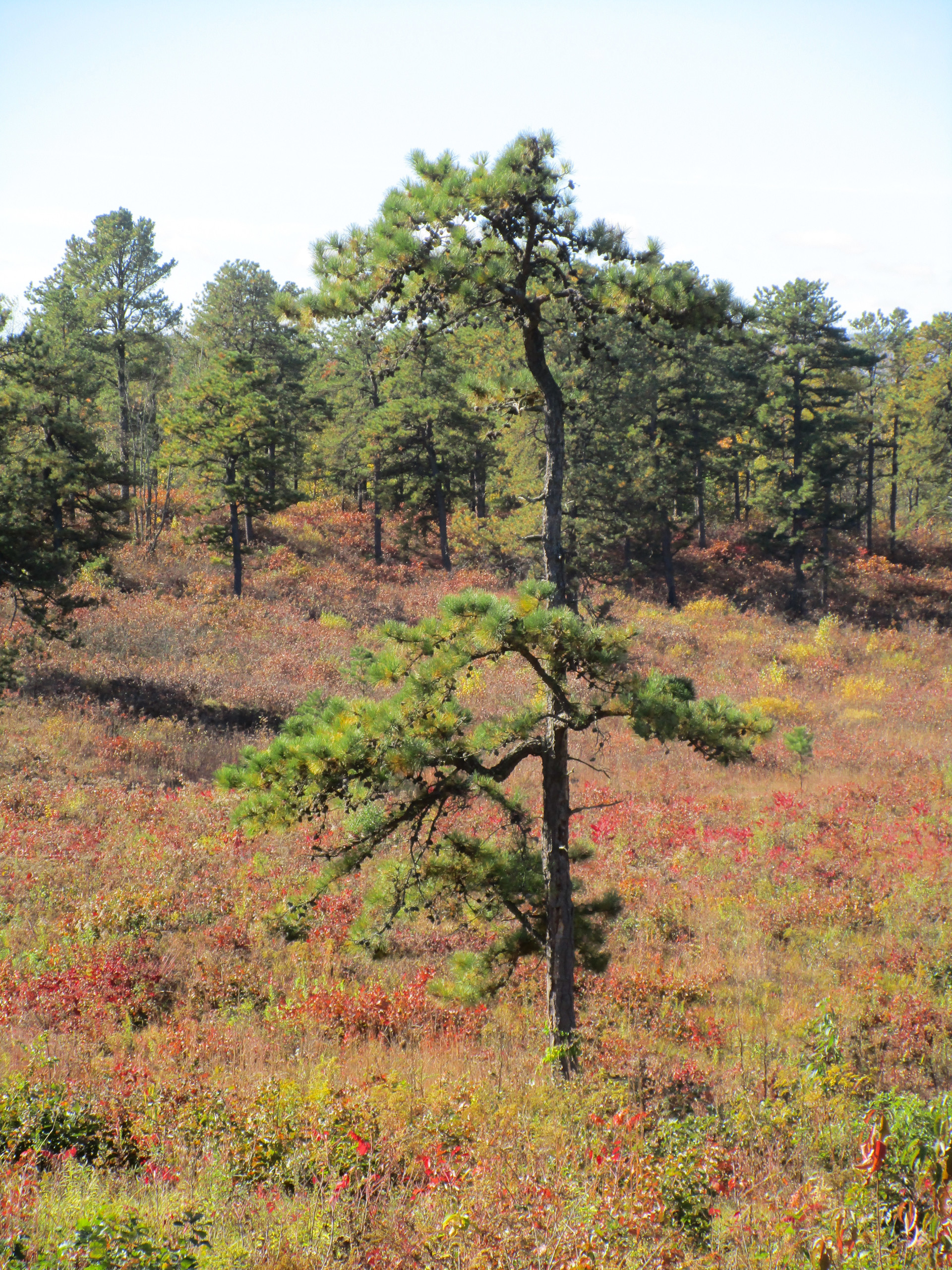
Ward mentioned the problems in the Pine Bush including hard woods taking over the native plants, the expansion of the Albany landfill, the University of Albany buildings.
Another issue that Ward is examining is chronic wasting disease in deer. This disease is like mad cow disease and attacks the nervous system. Mad cow disease was found in British cattle, and caused Crustzfeld Jacob disease in humans.
Ward urged Save the Pine Bush to keep up the good work.
Printed in the September/October SPB Newsletter