DEVI ATHIAPPAN Associated Press
WILTON — Whiling away months of unforgiving cold beneath a deep quilt of snow might not seem like the best way to start life.
But the snow is cozy for the eggs of endangered Karner blue butterflies. The small, white dots overwinter on stems or the ground, usually exposed to dry, cold air, but insulated this winter by heavy snowfall.
The eggs are escaping “freezer burn” under a white blanket, said Kathy O’Brien, a wildlife biologist for the state Department of Environmental Conservation. The snow insulates the ground from the worst cold, keeping temperatures down there more constant and trapping some humidity, she said.
“If we had no snow, and we had this weather, it would be much more damaging to the eggs,” said Sarah Clarkin, director of the Wilton Wildlife Preserve.
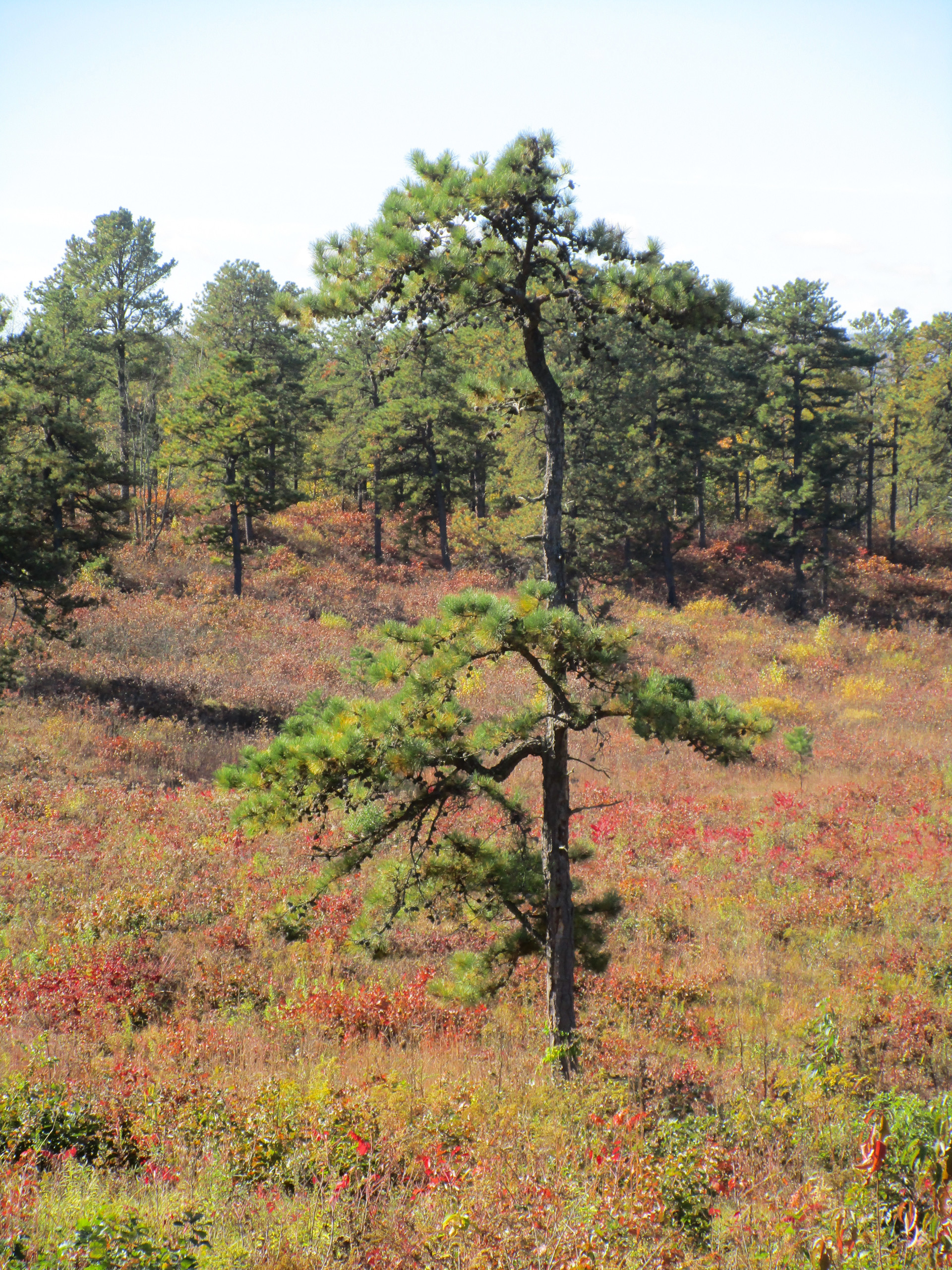
At the preserve, DEC, The Nature Conservancy and Wilton officials are working to boost survival of the Karner blue, threatened by dwindling habitats and fire suppression.
The fragile, velvet-winged species, discovered 100 years ago in Karner, has a wingspan of about an inch. The male is distinctively marked with a silvery or dark blue color on the top of the wings along with a thin, black margin. The female’s wings are brownish blue with orange spots at the edge of the hind wing.
The butterflies, classified as an endangered species in 1992, are scattered in isolated colonies from New Hampshire to Minnesota, and in New York along the Hudson Valley from the Albany Pine Bush area to Glens Falls.
Low numbers leave the butterflies vulnerable to the weather — such as last year’s late frost, Clarkin said.
“If we had no snow and we had this weather, it would be much more damaging to the eggs,” she said.
She hopes the sheltering snow pack means more eggs will survive.
Karner blues lay their eggs on or near the wild blue lupine plant. The larvae feed almost exclusively on the plant, which limits their range. Preservationists hope to improve lupine numbers at the Wilton preserve by planting it after clearing vegetation that shades it out, Clarkin said.
About 2,000 Karner blues live on the preserve’s 1,400 acres of protected land.