Around the world, scientists and conservationists are watching the 20,000 species of butterflies more closely than ever-for signs of climate change as well as other habitat disturbance. “Wild flowers with wings,” it turns out, do more than pollinate plants, feed songbirds, and delight the eye.
Because of their exacting environmental requirements, some butterflies function as “indicator species” of ecosystem health. In other words, like the canary in the coal mine, the demise of butterfly species can point out trouble in the habitat before it becomes otherwise obvious. . .
For butterflies to survive and produce, the temperature, the timing of the rains, the growth and blossoming of their particular food plants-all must be minutely choreographed. So while flagging populations may indicate trouble, healthy butterfly populations can mean that the ecosystem’s various organisms and cycles are still in balance.
Butterflies are also indicators of an area’s richness of flora and fauna. The diversity of butterfly species in a region tends to mirror the biodiversity of other animals and plants as well.
For conservationists, butterfly species can become handy “umbrella species” to represent an entire ecosystem, especially in urban areas where large mammals may be long gone but where there is still a plant and animal community worth saving. Protecting the butterfly populations then means preserving a whole community of plants and animals. And because of their aesthetic appeal, butterflies help garner support for conservation of terrain that people might otherwise consider unlovable. Thus have butterflies earned the epithet “charismatic mega-invertebrates.”
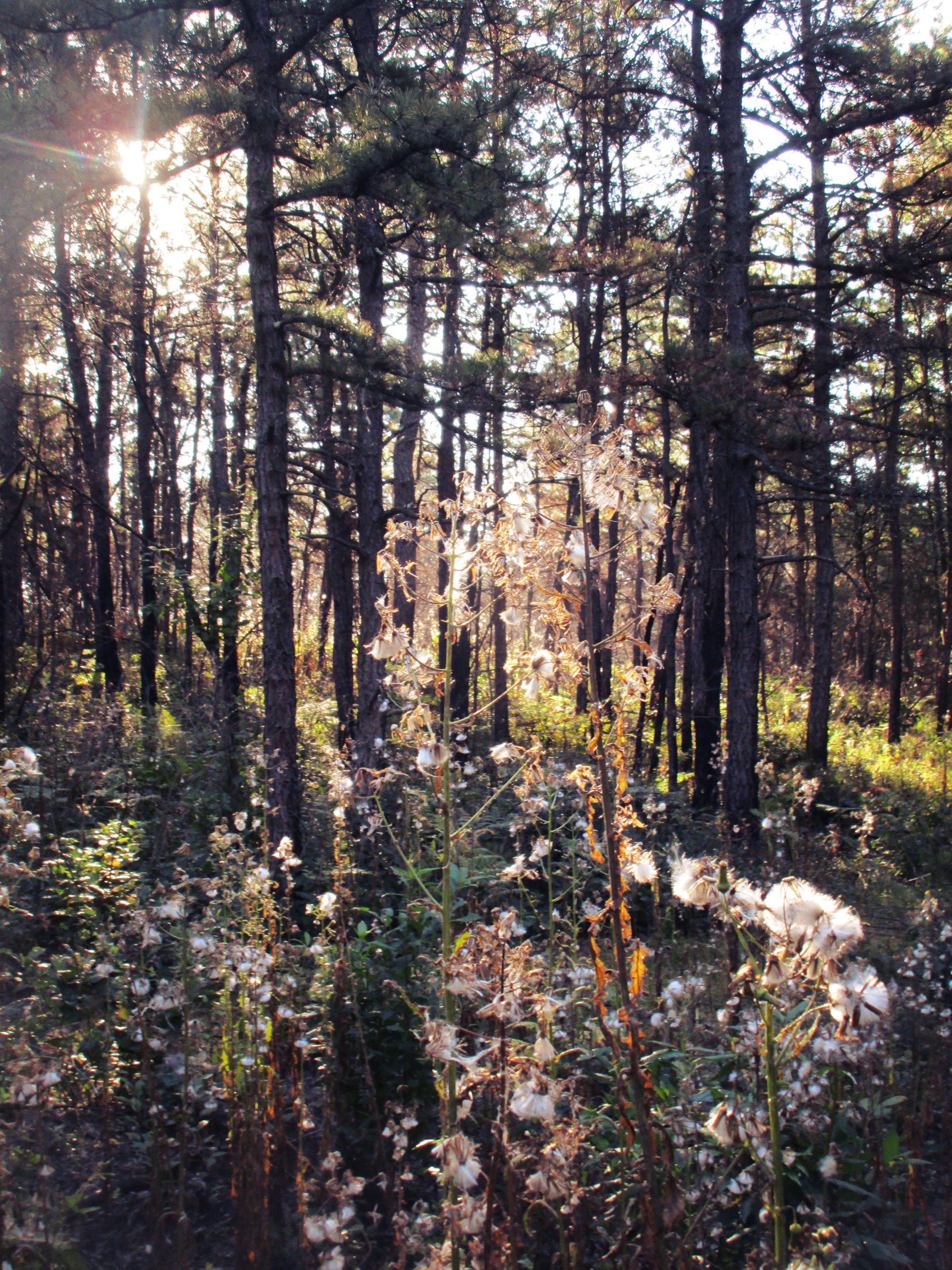
In Albany, New York, “Karner Blue” has become a rallying cry for preservation and management of the last remaining parcels of pine barrens that the butterfly of that name-along with many other species- needs. In the San Francisco Bay area, the Bay checkerspot became an umbrella species for a particular type of increasingly rare habitat-serpentine grassland. When scientists discovered a Bay checkerspot colony on land slated for one of the nation’s largest landfills, they convinced the waste disposal company that owned the land and the city of San Jose to design the dump around the habitat needs of the butterfly. No doubt capitalizing on the insect’s public relations value, the company even donates $50,000 annually to the butterfly’s cause.