By Bill Engleman, Jan./Feb. 92
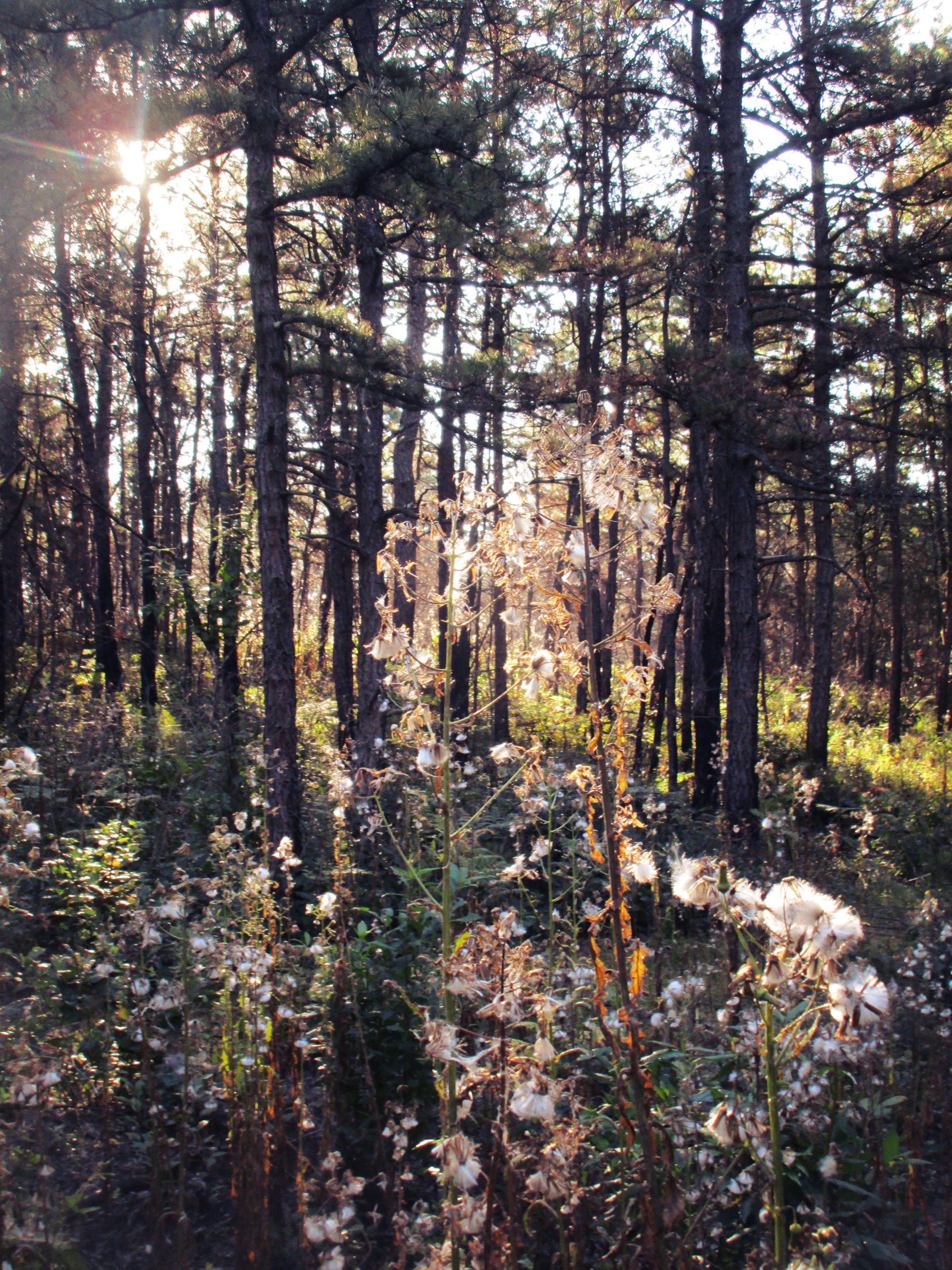
Populations of the endangered Karner Blue Butterfly are dispersed throughout the sand plain in Saratoga County. This sand plain, of which Albany’s Pine Bush is a major part, contains isolated pitch pine/scrub oak communities in Clifton Park, Wilton, Moreau, and other areas.
In 1988, the Planning Board of the Town of Clifton Park entertained several applications for subdivision and development in the “Wood Road corridor.,” a mostly pitch pine community. This is roughly 600 acres east of the Northway and west of Route 9, extending from Ushers Road to the Village of Round Lake. Despite the sensitive environmental attributes, such as wetlands, important aquifer recharge areas, and state protected streams and wildlife habitat, the Town had zoned this area for light industrial and business development. Applications presented for approval include a 200 acre lumber yard, a beer warehouse, an asphalt paving plant, a sand mine, a heavy construction facility, and other industrial works.
In August 1988 the Town Planning Board was informed by the Nature Conservancy that important habitats of Karner Blue were known to exist there. Very quickly survival of the butterfly became a rallying point for citizens and civic groups opposed to destruction of this natural resource.
Faced with mounting pressure, the Town hired Dr. Dale Schweitzer that autumn to survey the corridor for the presence of Blue Lupine, which is the exclusive food of the Karner Blue caterpillar. Schweitzer’s field observations were reluctantly accepted by landowners and town planners as conclusive proof that the Karner Blue could thrive on this land.
Preparation by the Planning Board of a Generic Environmental Impact Statement (GEIS) began in earnest. A final “scoping” document issued in Feb. 1989 set forth requirements for the GEIS. In the summer of 89, Schweitzer prepared a “Wildlife and Wetlands Report” for the GEIS, in which he estimated that about 1000 Karner Blues live on three sites in the corridor. In an amendment to the report, he noted that since 1989 was an “an exceptionally bad year” for the July butterfly count in the Albany Pine Bush, that the Clifton Park sites would probably support twice as many butterflies in normal years.
A troubling aspect of this report, however, is Schweitzer’s claim that the original habitat of the corridor was not a pitch pine/ scrub oak community. He also made the absurd contention that Clifton Park need only concern itself with preserving the remnants of the Karner Blue population, and “enough habitat to perpetuate them” and possibly establishing some linkage between the communities. He feels that the original community, which he claims was a black oak savanna, “could not be restored on the proposed industrial Park site.” According to Schweitzer and the final GEIS, the minimum size recommendations for the Albany Pine Bush do not apply to Wood Road corridor.
Commentary
By Daniel Van Riper, Jan./Feb. 92
The fight by Clifton Park residents against their planning board and developers over unnecessary destruction of a unique natural resource in their community echoes the battles by SPB with the City of Albany. There is big money in flattening virgin land and slapping up ready-to-use buildings. Big developers make big profits that can’t be made in already developed areas, where consideration for established neighbors limits the size and use of new construction. There’s always a little something for local politicians also. More than one old boy from the Albany Machine is enjoying a Florida retirement because of Pine Bush developments. Let’s not imagine that Clifton Park Republicans have any more integrity in their back room dealings.
The hiring of Dale Schweitzer clearly underlines the Planning Board’s intentions. Schweitzer, who is in the same league as the notorious Dennis Murphy, is a biologist for hire, available to the highest bidder. Developers and politicians, who wish to justify habitat destruction schemes to an outraged citizenry, hire this person for a hefty salary because they know he will give them what they want, despite evidence to the contrary. For example, Schweitzer knows what the minimum requirements of acreage are necessary for survival of a community. How could butterflies survive alongside an asphalt plant?
Schweitzer’s job is to destroy the legal handle that the citizens of Clifton Park are using to stop the destruction of the Woods Road corridor. How far will citizen’s groups in Clifton Park go to save the corridor? They will need to counter Schweitzer’s absurdities head on by finding experts of their own, and this, of course, means money. Good luck to Mr. Engleman and others in your fight against destruction. You’ll need it.